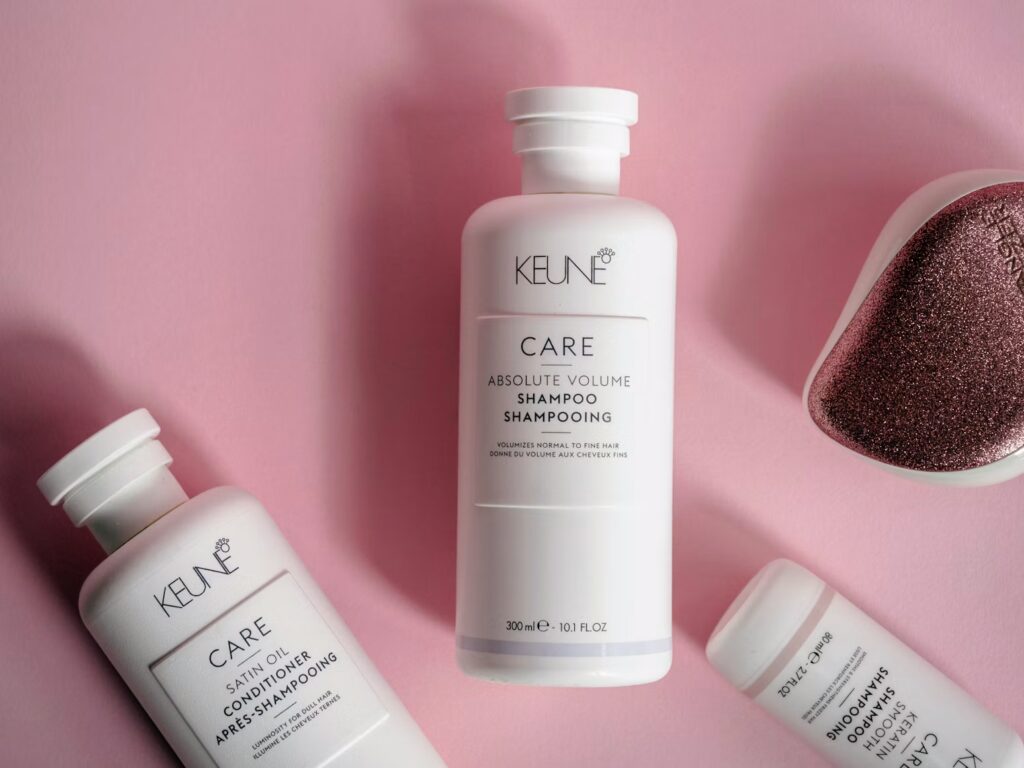
For years, the conversation around healthy hair has focused on what we put on our strands. Conditioning masks, leave-ins, expensive serums for split ends. But there’s a quieter shift happening in the haircare world, and it’s pointing everyone back to the same place. Your scalp.
The skin on your head is not all that different from the skin on your face. It produces oil, sheds dead cells, hosts a delicate ecosystem of microorganisms, and reacts to everything from your shampoo to your stress levels. Treat it well and your hair grows in fuller, shinier, and stronger. Neglect it and you’ll see the consequences in flakes, itchiness, thinning, and dull lengths no amount of conditioner will fix.
Here are ten scalp care habits that actually move the needle, drawn from dermatology research and the routines beauty editors quietly swear by.
1. Wash Your Hair Less Often Than You Think
Over-washing is one of the most common scalp mistakes. When you shampoo daily, you strip the natural sebum your sebaceous glands produce, which the skin then tries to replace by working harder. The result is a scalp that gets oilier, not cleaner.
Most people do best washing two to three times a week. Oily scalps may need to wash every other day. Dry, curly, or coily hair often thrives on one wash a week with a co-wash in between. If you’re stretching washes and your roots feel greasy by day two, that’s where dry shampoo earns its place in your routine.
2. Apply Shampoo to Your Scalp, Not the Lengths
This single change makes a bigger difference than most people realize. The lather running down through your ends as you rinse is enough to clean the lengths of your hair. Scrubbing shampoo directly into your mid-shafts and ends roughs up the hair cuticle, accelerates breakage, and dries out the parts of your hair that need moisture most.
The American Academy of Dermatology recommends focusing shampoo on the scalp and letting the suds clean the rest as you rinse. If you want to take this further, try making your own gentle shampoo with ingredients that won’t strip your skin barrier.
3. Massage Your Scalp Every Time You Wash
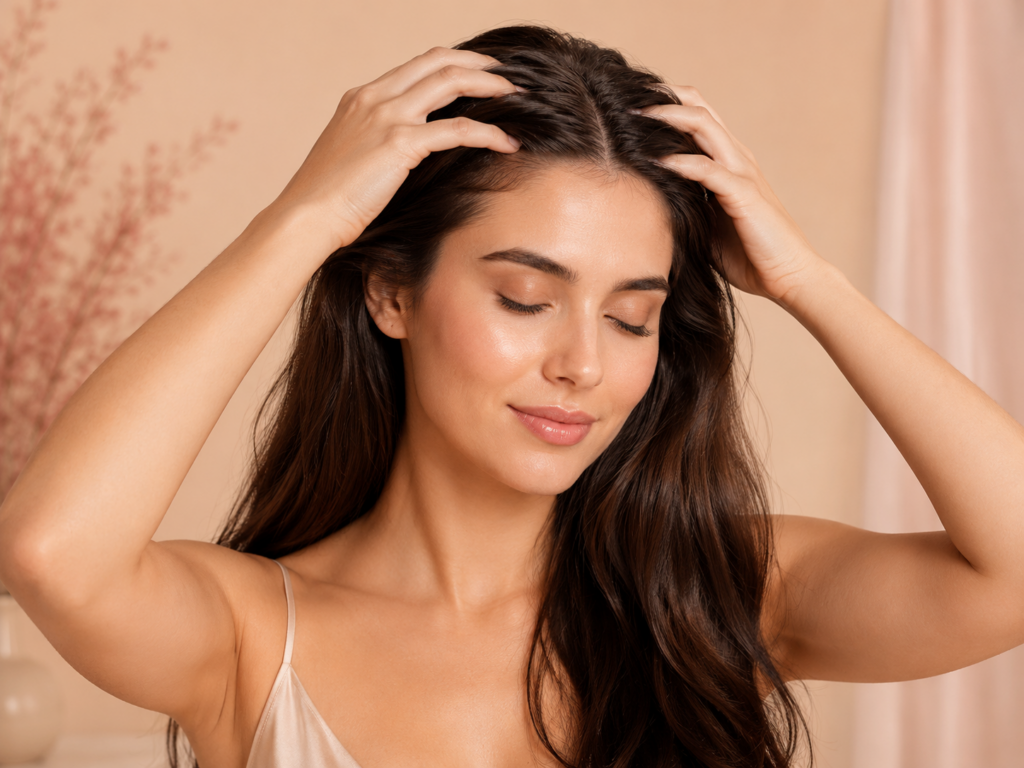
A proper scalp massage does two things at once. It loosens dead skin cells and product buildup so your shampoo can actually clean the surface. And it stimulates blood flow to the hair follicles, which delivers more oxygen and nutrients to where new hair is forming.
The science here is real. A 2016 study published in ePlasty found that men who performed daily scalp massages for 24 weeks saw measurable increases in hair thickness. You don’t need a tool, though a silicone scalp massager makes it feel like a spa moment. Use your fingertips, never your nails, and work in small circles across your entire scalp for at least 60 seconds.

4. Exfoliate Your Scalp Once a Week
Your scalp is skin, and like the skin on your face, it benefits from regular exfoliation. Scalp scrubs come in two main forms. Physical exfoliants use ingredients like sea salt or sugar to manually slough off buildup. Chemical exfoliants use salicylic acid (a BHA) or gentle AHAs like glycolic acid and lactic acid to dissolve dead cells.
Apply a small amount to a damp scalp before shampoo, work it in for a minute or two, then rinse. Once a week is plenty for most people. Over-exfoliating can disrupt your skin barrier and trigger irritation, so resist the urge to do this every wash.
If you’re flake-prone, look for scrubs that include tea tree oil, niacinamide, or piroctone olamine, which target the yeast often linked to dandruff and seborrheic dermatitis.

5. Switch to Lukewarm Water
Hot showers feel amazing, but hot water strips the protective oils your scalp needs to stay balanced. It can also lift the hair cuticle, leaving strands rough and prone to frizz.
Wash and rinse with lukewarm water instead. If you can stand it, a cool rinse at the very end seals the cuticle and adds shine. Same logic as a cold-water face splash.
6. Try Rosemary Oil (Or Peppermint If You’re Sensitive)
Rosemary oil has earned its viral moment for good reason. A 2015 study in SKINmed compared rosemary oil to minoxidil (the active ingredient in Rogaine) over six months and found comparable hair-count improvements in participants with androgenetic alopecia. The proposed mechanism is improved circulation to the hair follicles and reduced scalp inflammation.
To use it, dilute 5 drops of rosemary essential oil in a teaspoon of a carrier oil like jojoba oil or argan oil, massage it into your scalp, and leave it on for at least 30 minutes before washing out. Two to three times a week is enough. The Cleveland Clinic has a useful breakdown on how to use rosemary oil for hair if you want to dig deeper.
If rosemary feels too potent, peppermint oil is a gentler alternative with a similar circulation-boosting effect. Both should always be diluted. Applying essential oils undiluted to the scalp can cause irritation or even chemical burns.

7. Avoid Sulfates and Harsh Surfactants
Sulfates like sodium lauryl sulfate (SLS) and sodium laureth sulfate (SLES) create that satisfying lather, but they’re aggressive cleansers that can strip the scalp barrier and trigger dryness, itching, and inflammation.
Look for shampoos with gentler surfactants such as decyl glucoside, cocamidopropyl betaine, or sodium cocoyl isethionate. Also worth avoiding: synthetic fragrance, strong sulfated detergents, and high concentrations of alcohol, all of which can irritate sensitive scalps.
For dandruff-prone scalps, medicated shampoos with salicylic acid, zinc pyrithione, selenium sulfide, or ketoconazole are worth keeping in rotation a few times a month.
8. Eat for Your Scalp
Healthy hair is built from the inside, and your scalp is the soil. Several nutrients have strong, evidence-backed links to scalp health and hair growth:
- Omega-3 fatty acids from salmon, walnuts, chia seeds, and flaxseed help regulate sebum production and reduce inflammation
- Iron from spinach, lentils, and lean red meat supports oxygen delivery to the follicles
- Vitamin D from fatty fish, eggs, and sunlight is linked to the hair growth cycle, and deficiency is associated with thinning
- Zinc from pumpkin seeds and oysters plays a role in follicle function and tissue repair
- Biotin (vitamin B7) gets the marketing attention, but most people aren’t actually deficient. If you are, supplementation helps. If you’re not, it does little
Hydration matters too. A dehydrated scalp is a dry, flaky scalp. Aim for steady water intake throughout the day.
9. Manage Stress and Protect Your Sleep
Chronic stress raises cortisol, and elevated cortisol is linked to two scalp problems most people don’t connect to their nervous system. The first is telogen effluvium, a temporary form of hair shedding that often starts two to three months after a stressful event. The second is increased oil production, which can lead to clogged follicles, itchiness, and flare-ups of seborrheic dermatitis.
Sleep is where your scalp does its repair work. Aim for seven to nine hours, sleep on a silk or satin pillowcase to reduce friction, and avoid tight buns or ponytails overnight. Tension on the same spots, night after night, is one of the lesser-known causes of hair breakage around the hairline.
10. Don’t Forget Sunscreen for Your Scalp
The scalp is skin, and like every other part of your skin, it can burn. Sun damage on the scalp accelerates aging, weakens the hair shaft at the root, and increases the risk of skin cancer in the area, especially along the part line where hair offers the least coverage.
You don’t need a special product to start. A wide-brimmed hat handles most of the work. For days when a hat isn’t realistic, look for a lightweight scalp sunscreen mist or a hair product with built-in UV filters. Spray along your part and any thinning areas before heading outdoors.
When It’s Time to See a Dermatologist
Most scalp issues respond beautifully to better habits. But some signs are worth taking seriously. Persistent flaking that doesn’t resolve with anti-dandruff shampoo, sudden hair shedding, painful or red patches, ring-shaped flaky areas, and any visible scarring on the scalp all warrant a visit to a board-certified dermatologist or trichologist. Conditions like scalp psoriasis, central centrifugal cicatricial alopecia (CCCA), frontal fibrosing alopecia, and various forms of alopecia areata are far more treatable when caught early.
The big takeaway here is that scalp care isn’t an extra step. It is the step. Strong roots grow strong hair. Treat your scalp like the skin it actually is, and within a few months you’ll see the difference in everything from how your hair grows to how it shines, holds a style, and bounces back from damage.