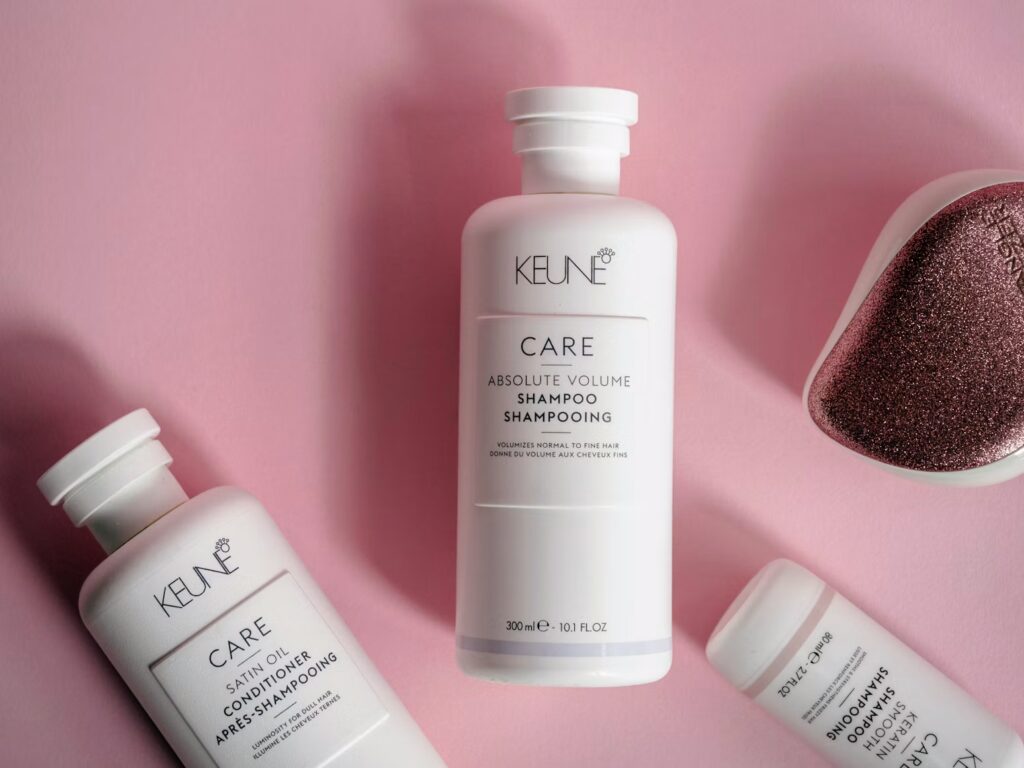

The first time you notice tiny broken hairs poking up around your crown like little flyaways that refuse to lay flat, the panic is real. Then you spot a piece of hair on your shirt that’s clearly snapped off mid-shaft, not shed from the root. That’s hair breakage, and unlike normal shedding, it’s almost always something you can stop without ever picking up scissors.
The trick is figuring out what’s actually breaking your strands. Most breakage comes down to a handful of habits, and once you adjust those, your hair gets noticeably stronger within a few weeks. Here are nine ways to bring it back to life, working from the easiest swaps to the bigger routine changes.
First, Make Sure It’s Actually Breakage
Before we get into the fixes, a quick reality check. Hair shedding is part of your normal hair growth cycle. Losing 50 to 100 strands a day is healthy. The strands you shed will have a small white bulb at the end where they detached from the hair follicle.
Breakage is different. The pieces you find are usually shorter than the rest of your hair, blunt on the ends (not tapered), and have no bulb. You’ll often see them in the same spots, like where your ponytail sits, around your hairline, or at the ends of your hair. Once you’ve confirmed it’s breakage, the nine fixes below will actually help.
For a more detailed comparison from the experts, the American Academy of Dermatology has a clear breakdown of the signs.
1. Switch to a Sulfate-Free Shampoo (and Wash Like You Mean It)
Sulfates like sodium lauryl sulfate and sodium laureth sulfate clean your hair brilliantly, but they also strip the natural oils your strands need to stay elastic. Brittle hair snaps. Hydrated hair stretches.
Look for a sulfate-free shampoo with gentler surfactants like decyl glucoside or sodium cocoyl isethionate. Just as important is how you wash. Apply shampoo to your scalp, not the lengths of your hair. The lather running down through the ends as you rinse is enough to clean them. Rubbing shampoo directly into the lengths roughs up the hair cuticle and accelerates breakage.
If you want to take it a step further, try making your own gentle shampoo at home using simple ingredients that don’t strip the scalp.
2. Deep Condition Once a Week (Not Just When You Remember)
Breakage is almost always a moisture problem in disguise. Strands that lose elasticity stop bending and start snapping. A weekly deep conditioning treatment is one of the most underrated fixes in haircare.
Look for masks with hydrolyzed proteins, panthenol (pro-vitamin B5), ceramides, shea butter, or plant oils like argan oil and avocado oil. Apply to clean, damp hair, focus on the mid-lengths and ends, and let it sit for at least 10 to 15 minutes. A shower cap traps body heat and helps the mask penetrate.
This single habit, done consistently for a month, will change how your hair feels.

3. Add a Bond Builder or Protein Treatment (Know the Difference)
This is where most people get confused, and it matters because the wrong treatment can make breakage worse.
Protein treatments fill in gaps along the hair cuticle using hydrolyzed wheat protein, rice protein, quinoa protein, keratin, or collagen. They work on the surface and temporarily reinforce the strand. Best for hair that feels limp, mushy, or overly stretchy when wet.
Bond builders go deeper. They repair the disulfide bonds inside your hair that get broken by bleaching, coloring, chemical relaxers, and excessive heat. Brands like Olaplex, K18, and Living Proof’s Triple Bond Complex are built around this chemistry. Best for chemically treated, bleached, or heat-damaged hair.
Use one or the other, not both at once. Too much protein can actually cause protein overload, which makes hair stiff and more prone to breakage. Start with a treatment every two to three weeks and adjust based on how your hair responds.
4. Ditch the Cotton Towel for a Microfiber Towel or T-Shirt
Wet hair is at its most fragile. The hair shaft swells with water, the cuticle lifts slightly, and the bonds that hold the strand together temporarily weaken. Then you wrap it in a thick cotton towel and rub it dry, which is essentially sandpapering your cuticle.
Swap to a microfiber towel or a soft cotton t-shirt. Both absorb water without the friction that causes frizz and breakage. Gently squeeze, don’t rub. If you want to wrap your hair, the t-shirt plopping method works beautifully for curls and waves and protects strands while they dry.
5. Detangle From the Ends Up (Never From the Root)
If you brush from the top down and rip through tangles, you’re not detangling. You’re pulling stuck strands apart until they snap. The fix takes 30 extra seconds.
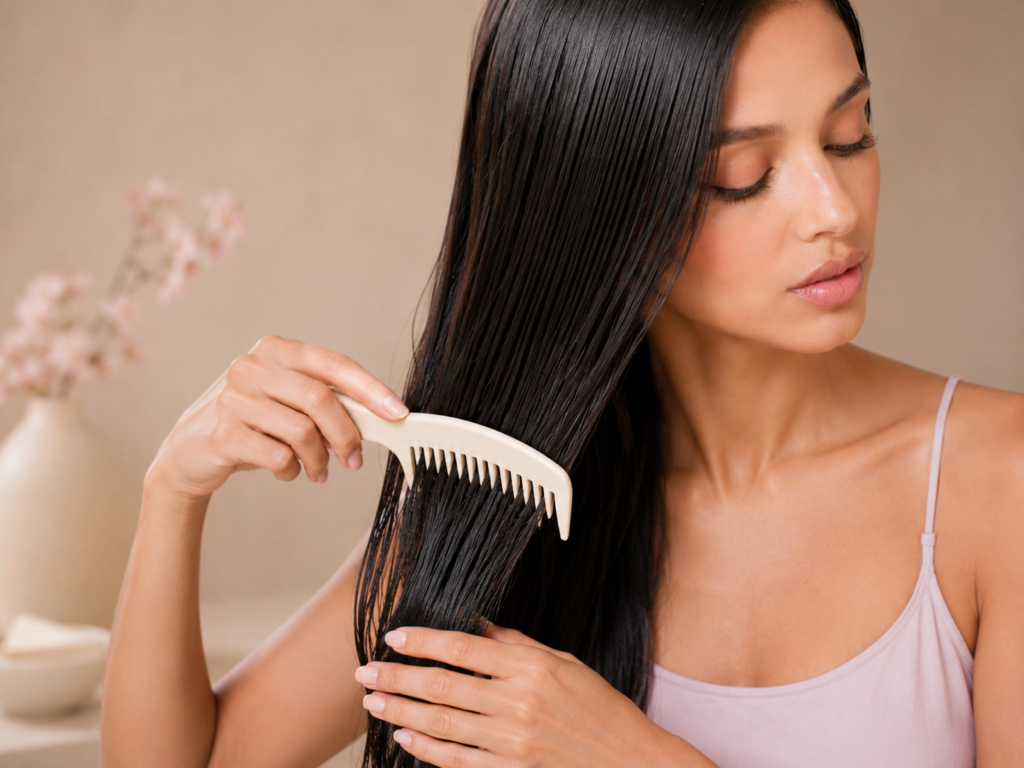
Start at the ends of your hair. Work out the tangles there first. Move up an inch, detangle that section, then move up again. By the time you reach the roots, the path is clear and the brush glides through.
Use a wide-tooth comb on wet hair, or a flexible detangling brush like a Tangle Teezer or Wet Brush. Avoid stiff bristle brushes on damp hair entirely. They’re built for distributing oils on dry strands, not for working through knots.
6. Lower the Heat (And Never Skip Heat Protectant)
A flat iron running at 450°F isn’t styling your hair. It’s cooking the proteins inside it. Most fine to medium hair styles beautifully between 300°F and 350°F. Coarse or very curly hair sometimes needs 375°F to 400°F, but rarely more.
A few rules that make a real difference:
- Always use a heat protectant spray or serum on damp hair before blow-drying and on dry hair before any hot tool.
- Pass the iron through each section once or twice, not five times.
- Let your hair air-dry to 60 or 70 percent before you blow-dry. Blasting heat at soaking-wet hair is one of the fastest ways to weaken the cuticle.
- Take at least two heat-free days a week. Your hair needs them.
7. Sleep on a Silk or Satin Pillowcase
Cotton pillowcases create friction every time you move your head. Over a full night of sleep, that friction roughs up the cuticle, tangles your strands, and causes the small breakage that shows up around your hairline and temples.
A silk pillowcase or satin pillowcase lets your hair slide instead of catch. Bonus, it’s gentler on your skin too. If you don’t want to replace your pillowcase, a silk hair wrap or bonnet works just as well.
While you’re at it, take a look at your hair ties. Tight elastics with metal bands dent the hair shaft and concentrate stress on one spot. Switch to a soft scrunchie, a coil tie, or a silk-covered band. And never, ever sleep in a tight ponytail.

8. Trim Your Ends Every 8 to 12 Weeks
This sounds counterintuitive when you’re trying to grow your hair, but trims actually help length retention. Once a split end forms, it travels up the hair shaft. The longer you leave it, the more of the strand splits, and the more length you eventually lose to breakage.
A small dusting every 8 to 12 weeks, sometimes called a “search and destroy” trim, removes just the damaged ends without sacrificing real length. You’ll see less breakage, less frizz, and your hair will actually look longer because the ends are blunt and healthy instead of frayed.
9. Look at Your Diet and Check for Deficiencies
Hair is made of keratin, which is built from amino acids your body assembles from your food. If you’re not eating enough protein, iron, or essential fats, your hair will tell you, often through breakage and thinning.
Foods worth getting more of:
- Eggs, salmon, lentils, and Greek yogurt for protein
- Spinach, lean red meat, and pumpkin seeds for iron
- Walnuts, chia seeds, and avocado for omega-3 fatty acids
- Sweet potatoes and carrots for vitamin A
- Almonds and sunflower seeds for vitamin E
Biotin (vitamin B7) often gets all the credit, but it’s only useful if you’re actually deficient. The more common culprits behind breakage are iron deficiency, vitamin D deficiency, low zinc, and inadequate protein intake. If breakage is severe or sudden, ask your doctor for a blood panel. Hypothyroidism, hormonal shifts, and post-pregnancy changes can also show up as breakage first.
For a deeper look at how nutrition affects your hair, the Cleveland Clinic’s guide on hair-friendly foods is a solid starting point.
When to See a Dermatologist
If you’ve made these changes consistently for two to three months and your breakage isn’t slowing down, it’s worth seeing a dermatologist or trichologist. Conditions like traction alopecia, central centrifugal cicatricial alopecia (CCCA), thyroid disorders, and autoimmune issues can all show up as breakage. The earlier you catch them, the easier they are to treat.
Breakage is almost always reversible when you address the actual cause. The fixes above aren’t dramatic. They’re small, consistent shifts in how you wash, dry, brush, sleep, and feed yourself. Give them a few weeks and you’ll see fewer little broken hairs on your shirt, fewer flyaways around your crown, and strands that finally feel strong again.
Pair this routine with the right shampoo and scalp care basics and you’ll notice the difference faster than you’d expect.