It is the ultimate shower shortcut. One bottle, one step, in and out, done. 2-in-1 shampoo and conditioner promises to clean and soften your hair at the same time, which sounds like a small miracle on a rushed morning or when you are living out of a carry-on. And yet hairstylists have spent years quietly steering people away from it, leaving a lot of shoppers stuck between the convenience they love and the warnings they keep hearing. So which is it, a clever bit of cosmetic engineering or a compromise that quietly costs you good hair days?
The honest answer is that 2-in-1 formulas are not bad, exactly. They are a trade-off, and whether that trade-off works comes down almost entirely to your hair. For some people they are genuinely all they need. For others they are the reason their hair feels rough and lifeless and they never quite work out why.
How 2-in-1 Shampoo and Conditioner Works
To understand the catch, it helps to know what these two products are individually trying to do, because they are working against each other at a chemical level.
Shampoo is built to strip away oil, dirt, and product buildup. It relies on surfactants, cleansing molecules that carry a negative charge so they can grab onto grease and rinse it down the drain. Conditioner does close to the opposite. It uses positively charged, cationic ingredients that are attracted to the hair shaft, where they smooth the cuticle, reduce static, and leave behind a soft, protective coating.
Put cleansing and coating in the same bottle and you have created a chemistry problem, because the two functions tend to cancel each other out. A true 2-in-1 solves this with clever ingredients, most often silicones such as dimethicone, that are engineered to survive the wash and deposit a thin conditioning film onto your hair in the seconds before the shampoo rinses away. The result is lightweight conditioning without a separate step. It is real conditioning, just a quick, shallow version of it.
What a 2-in-1 Does Well, and Where It Falls Short
The upside is genuine for the right person. A 2-in-1 is fast, travel-friendly, and tends to perform well on short, fine, or low-maintenance hair that does not need much added moisture. This is exactly why so many formulas aimed at men and at cropped styles come as a combined product, since that hair length simply does not demand deep conditioning.
The limitation is depth. Because the formula has to clean and condition in a single pass, it cannot do either job as thoroughly as two dedicated products. A standalone conditioner sits on your hair, has time to penetrate, and is rinsed on your schedule, while a 2-in-1 deposits its coating almost instantly as it washes out. For a lot of hair that is perfectly fine. For plenty of other hair it is nowhere near enough.
This is where the “what’s wrong with 2-in-1” reputation comes from, and it is a fair one. On thick, curly, coily, color-treated, or dry hair, a 2-in-1 often leaves strands feeling rough, tangled, or thirsty, because that fast surface film cannot replace the real moisture those textures need. Some silicone-heavy formulas can also build up over time, leaving hair flat, dull, and harder to style until you clarify it out.
Who Should Use a 2-in-1, and Who Should Skip It
A 2-in-1 is a smart, low-fuss choice if you have fine or short hair, wash frequently, travel often, or simply want to cut your routine to one step and your hair genuinely feels good afterward. The last part is the real test. Trust how your hair responds far more than any blanket rule, because the only opinion that matters is what your strands look and feel like two days after washing.
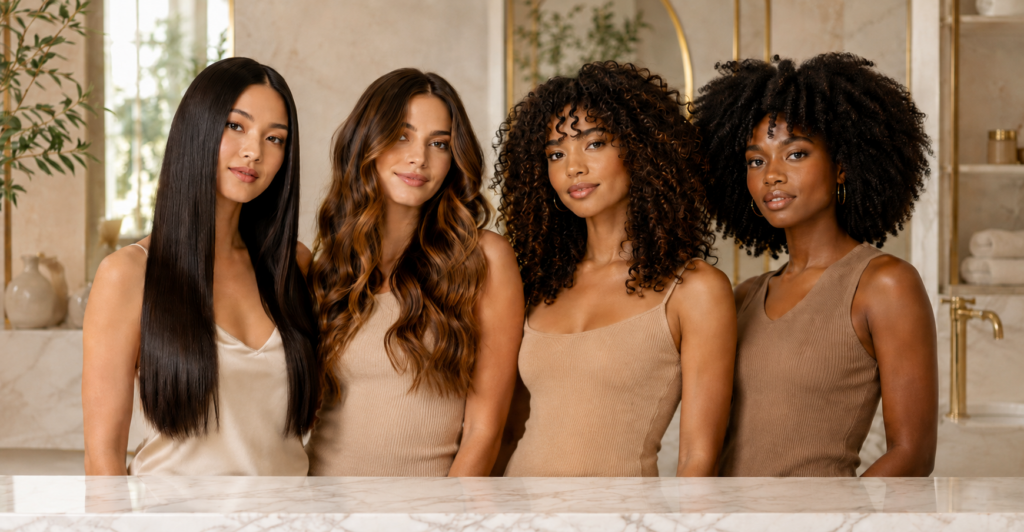
You are almost always better off with separate products if your hair is curly, coarse, color-treated, chemically processed, or prone to dryness and frizz. These textures depend on the deeper, dedicated conditioning that a two-step routine provides, and skipping it tends to show within a wash or two. If that is your hair, choosing the right pair for your texture will do more for you than any combined bottle ever could.
If you do reach for a 2-in-1, you can still raise your results. Use a clarifying wash every week or two to clear any silicone buildup, and add a hydrating mask once a week for the moisture the combo cannot deliver on its own. Getting the basics of washing technique right also squeezes more out of a simple formula than people expect.
Can You Just Mix Your Own 2-in-1 at Home?
People often try to fake a 2-in-1 by squeezing shampoo and conditioner into their palm together and lathering. It does not really work, and the chemistry explains why. The shampoo’s negatively charged surfactants and the conditioner’s positively charged agents are drawn to each other and partly neutralize, so instead of a convenient hybrid you get a watered-down product that neither cleans nor conditions properly. If you want the one-bottle convenience, a purpose-built 2-in-1 is engineered to pull it off. A palm-mixed version is not, and the same goes for most kitchen-counter attempts at combining the two, a topic we get into in our guide to making your own formulas.
The Bottom Line on 2-in-1
Think of a 2-in-1 as a tool for a specific job rather than an everyday answer for everyone. For fine, short, or low-maintenance hair, and for travel days when one bottle beats two, it is a perfectly good, time-saving option that does what it promises. For hair that is thick, curly, color-treated, or dry, it is a compromise that usually leaves you wishing you had conditioned properly. Matching the format to your hair, and keeping an eye on the ingredients worth avoiding, matters more than whether the bottle says one step or two.
For a dermatologist-backed view on washing and conditioning habits across hair types, the American Academy of Dermatology offers reliable, jargon-free guidance that is a good reality check against any product promising to do everything at once.