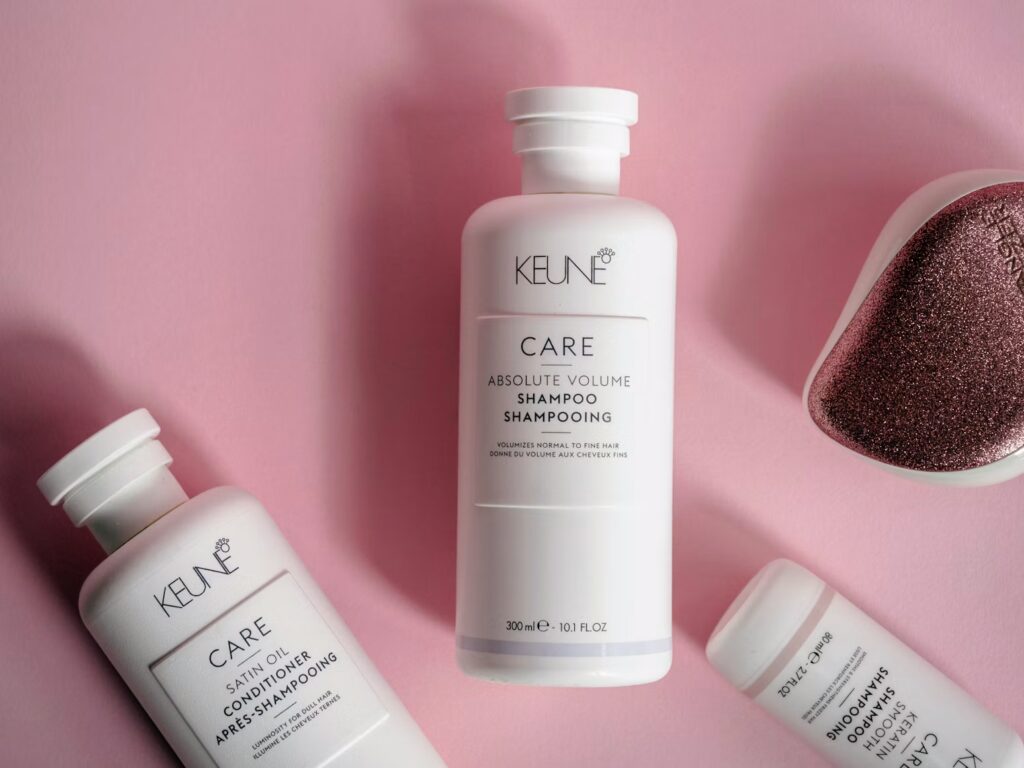
Almost everyone has one: a half-used bottle of shampoo that has been sitting in the back of the shower for who knows how long, plus a couple of “just in case” backups crowding the cabinet under the sink. Maybe it was a hotel find, a bulk-buy bargain, or a scent you loved once and drifted away from. Either way, the question eventually surfaces. Does shampoo and conditioner expire, or can you keep working through that bottle indefinitely?
The honest answer is yes, both shampoo and conditioner have a shelf life, but the story is more nuanced than a hard cutoff date. They do not spoil the way milk does, and using a slightly old bottle will not usually hurt you. What does happen is that the formula slowly breaks down, the preservatives weaken, and at some point the product stops doing its job and can even turn. Knowing how long you really have, how to spot a bottle that has gone off, and what to do with the ones you will never finish saves you money and protects your scalp.
How Long Shampoo and Conditioner Actually Last
There are two timelines that matter here, and they are very different from each other.
An unopened bottle, stored somewhere cool and dry and away from sunlight, generally stays good for around three years from the date it was manufactured. The seal keeps air, water, and bacteria out, so the preservative system stays intact and the formula holds its structure. This is why that backup bottle you bought on sale is usually fine months or even a year or two later, as long as you never cracked it open.
Once you break the seal, the clock speeds up considerably. After opening, most shampoo and conditioner are formulated to perform at their best for roughly 12 to 18 months. Every time you flip the cap, a little air and shower water get inside, and the preservatives slowly lose their fight against the bacteria and mold that water invites. A bottle you use daily in a steamy bathroom ages faster than one you reach for occasionally.
There is a small marking that tells you exactly how long you have, and most people never notice it. Look on the back or bottom of the bottle for a tiny open-jar icon with a number inside it, like 12M or 24M. That is the period after opening symbol, and it tells you how many months the product is designed to last once you have opened it. It is the single most useful piece of information on the packaging, and far more reliable than guessing from memory.
How to Tell If Your Shampoo or Conditioner Has Gone Bad
Your own senses are genuinely the best test, and they rarely lie. A bottle has turned when you notice any of the following.
The smell changes first and most obviously. If your once-pleasant shampoo now smells sour, rancid, musty, or just plain off, that is the clearest signal that the formula has degraded. Color is the next tell, since yellowing, darkening, or any shift away from the original shade points to oxidation. Texture matters too. Separation that will not blend back together after a firm shake, or a product that has gone watery, curdled, lumpy, or unusually thin, means the emulsion has broken down and the ingredients are no longer holding together the way they should.
It is worth knowing that not all formulas age at the same rate. A natural or sulfate-free product, or anything marketed as preservative-light or “clean,” tends to expire faster than a conventional one, simply because gentler preservatives do not last as long. If your bottle has only separated but still smells and looks normal, a good shake often brings it back to life with no harm done. If the smell is wrong, though, no amount of shaking will fix it, and that is your cue to let it go.
Is It Bad to Use Expired Shampoo and Conditioner?
Using a recently expired bottle is unlikely to cause any real harm, and you do not need to panic if you realize the date slipped past. The more common consequence is simply that it stops working well. Expired conditioner may no longer coat and smooth the hair the way it should, leaving strands tangled or rough, and old shampoo can leave hair feeling dull, filmy, or oddly dry because the cleansing and conditioning agents have degraded and no longer rinse clean.
The one situation that deserves genuine caution is contamination. When a water-based product is well past its prime, its weakened preservatives can allow bacteria, mold, or yeast to grow inside the bottle, and applying that to your scalp can lead to irritation, itching, or, in rare cases, an infection, especially if your scalp is broken, freshly shaved, or already sensitive. This is exactly why a bottle that smells strange or looks cloudy should go straight in the bin rather than back in the shower. When in doubt, the cost of replacing a bottle is far lower than the cost of an irritated scalp.
How to Make Your Bottles Last Longer
A few simple habits genuinely extend the working life of your products. Keep bottles out of direct sunlight and away from the hottest, steamiest corner of the shower, since heat and UV light both speed up chemical breakdown, so a closed cabinet beats a sunny windowsill or the shelf right above the hot tap. Close the cap fully after every use so less water and air sneak in. And resist the urge to stockpile more than you will realistically use within a year or two, because an unopened backup is still quietly aging on the shelf before you ever twist it open.
People often ask about temperature extremes, and freezing deserves a specific mention. If shampoo freezes and then thaws, the emulsion can separate permanently and the texture may never fully recover, so a car trunk in winter or a garage shelf is a poor storage spot. Room temperature, out of the light, is what your products want.
What to Do With Old or Unused Bottles
If you have a bottle that is past its prime, or simply one you bought and never loved, you have far better options than tossing it straight in the trash. Products that are still unopened and unexpired can be donated to shelters, food banks, and organizations that assemble hygiene kits, where full-size toiletries are always in demand and genuinely useful to someone. Many beauty retailers and refill stations also run take-back programs.
For anything that has truly expired, pour the liquid out before recycling rather than placing a full bottle in the bin, since most facilities cannot process products still full of liquid. Rinse the empty container and recycle the plastic wherever your local program accepts it. A little effort here keeps usable product out of landfill and gives the packaging a second life.
If you are reassessing your shower lineup anyway, it is a good moment to make sure what you are buying actually suits your hair, and our guide to the right pair for your hair type walks through that. It also pays to know how to use them well, since technique affects how long a bottle lasts as much as storage does.
For the official position on cosmetic dating, the U.S. Food and Drug Administration explains why most beauty products are not legally required to carry an expiration date at all, which is precisely why that small open-jar symbol on the back of your bottle matters so much.