Most of us learned to shampoo by copying whoever bathed us as kids, and then never thought about it again. Which is a little wild when you consider how much rides on it. Wash too hard and you strip your scalp raw. Wash too gently and grease just keeps winning. Get the order wrong with conditioner and your fine hair goes limp by lunchtime.
The good news: shampooing well is genuinely simple once someone walks you through it properly. This guide covers how to shampoo your hair the right way, how long to leave it in, how often to wash, what to do for your specific hair type, and the small mistakes almost everyone makes without realizing. By the end you’ll have a routine that actually fits your hair instead of fighting it.
What Is Shampoo and What Does It Actually Do?
Hair shampoo is a cleansing product built to lift away oil, sweat, dead skin, and product buildup from your scalp and strands. At its core it’s a liquid emulsion of surfactants (the cleaning agents) suspended in water, plus conditioning ingredients, fragrance, and preservatives. So if you’ve ever wondered what shampoo actually is, it’s a water-based liquid cleanser, chemically closer to a gentle detergent than to soap.
Those surfactants are also why shampoo lathers. When you add water and agitate it, the molecules trap air and grab onto oils at the same time, which is what creates the foam. Lather feels satisfying, but here’s the thing people get wrong: foam isn’t what cleans your hair. A rich lather mostly tells you there isn’t much oil left to cleanse. The actual cleaning happens through contact and rinsing, not bubbles.
The word itself comes from the Hindi chāmpo, meaning to press or massage, which is a nice clue about how you’re meant to use it: with the fingertips, on the scalp, rather than raked roughly through the lengths.
One detail worth knowing is pH. Healthy hair and scalp sit slightly acidic, around 4.5 to 5.5, and a good shampoo should land close to that range so it cleans without disrupting your hair’s protective cuticle. Harshly alkaline formulas clean aggressively but leave hair rough and frizzy, which is part of why some can leave your hair feeling stripped.
How To Shampoo Hair Correctly: Step-by-Step
This is the part everyone thinks they already know, and it’s where most of the damage happens. Here’s how to properly shampoo your hair, step by step.
1. Brush first, then fully wet your hair.
Detangle before you get in the shower, then saturate your hair completely with lukewarm water for 30 to 60 seconds. Properly wet hair needs far less shampoo and lathers more evenly. Cold water doesn’t open things up enough; hot water roughens the cuticle and dries you out.
2. Use less shampoo than you think.
A coin-sized amount works for short to medium hair; long hair might need a bit more. Warm it between your palms first so it spreads instead of dumping in one spot.
3. Massage it into your scalp, not your ends.
This is the whole game. Shampoo is for your scalp, where oil and buildup live. Using the pads of your fingers, not your nails, massage in slow circles for 30 to 60 seconds. This is also how you get a little scalp-stimulating benefit out of the wash. Your lengths get cleaned by default as the suds rinse down, so there’s no need to scrub the ends directly.
4. Don’t let it sit too long.
People often ask how long shampoo should sit in their hair, and for regular shampoo it’s just long enough to massage and distribute, roughly a minute. Plain shampoo isn’t a treatment, so leaving it on longer doesn’t clean better, it just risks drying your scalp. The exceptions are medicated or specialty formulas (anti-dandruff, clarifying, color-correcting) that tell you to leave them on for two to five minutes. Always follow the bottle for those.
5. Rinse like you mean it.
Rinse far longer than feels necessary, until the water runs completely clear and your hair feels clean rather than slippery. Leftover shampoo is one of the most common reasons hair looks dull, feels coated, or gets itchy. If shampoo dries into your hair without rinsing, you’re left with residue that flakes and attracts dirt faster.
After a proper wash, clean hair should feel light, a touch grippy when wet, and free of any film, not stripped and straw-like. If it squeaks aggressively and feels brittle, your shampoo may be too harsh for you.
If you ever need to wash someone’s hair while they’re lying down in bed, the same logic applies: protect the eyes, wet thoroughly with a cup or basin, keep the lather on the scalp, and rinse completely. Technique doesn’t change, only the setup does.
Should You Shampoo Twice?
You’ve probably seen “lather, rinse, repeat” on the bottle and wondered whether shampooing twice is genuinely better or just a trick to make you use more product. The honest answer: it depends.
The first wash lifts off surface oil, product, and grime. The second wash, on a now-cleaner scalp, actually gets down to the skin and cleanses properly. So a double shampoo makes real sense if you have heavy buildup, use a lot of styling product, have an oily scalp, or are washing after a few days. For most everyday washes on relatively clean hair, once is plenty. And if your hair already runs dry, it isn’t always better to shampoo twice, so save the double-cleanse for when it’s earned.
Shampoo and Conditioner: The Right Order
Here’s a clean rule to remember: shampoo first, conditioner second, and they do opposite jobs. Shampoo cleans your scalp. Conditioner smooths and moisturizes your mid-lengths and ends. They are not interchangeable, and no, conditioner is not a stand-in for shampoo, it doesn’t cleanse.
To shampoo and condition your hair properly:
- Shampoo your scalp and rinse fully, as above.
- Squeeze excess water out of your hair.
- Apply conditioner from about mid-shaft down to the ends, never on your scalp (that’s what makes roots go flat and greasy fast).
- Leave it for one to three minutes, then rinse.
If you also use a hair mask, the order is shampoo, then one moisturizing step, conditioner on normal days or a deep mask on repair days. A mask replaces your regular conditioner in that wash rather than stacking on top of it. So the full sequence is shampoo to clean, then condition or mask, then rinse.
A common question is whether a 2-in-1 shampoo and conditioner is any good. They’re convenient and fine in a pinch, but because cleaning and conditioning want opposite chemistry, a 2-in-1 does neither job as well as two separate products. Use them for travel or the gym, not as your main routine.
And if you’re using a medicated dandruff shampoo, pair it with a lightweight, non-medicated conditioner so you don’t undo the treatment, kept on your ends only.
How Often Should You Shampoo Your Hair?
There’s no universal number, and anyone who gives you one without asking about your hair is guessing. How often you should shampoo comes down to your scalp’s oil production, your hair type, and your lifestyle. As a starting point:
- Oily scalp, fine or straight hair: every one to two days, since oil travels down straight strands fast and shows quickly.
- Normal hair: every two to three days.
- Thick, curly, coily, or dry hair: once or twice a week, sometimes less, because the natural oils take longer to reach the ends and you actually want them there.
The most reliable way to know when to shampoo is simply your scalp: when the roots feel oily, look flat, or get itchy, it’s time. Don’t wash on a fixed schedule if your hair isn’t ready for it.
Should you shampoo every day? For most people, no. Daily washing isn’t dangerous, but it can leave your scalp dry and over-stripped, which ironically can trigger more oil. To settle a common worry: shampooing daily does not directly cause hair thinning in a healthy person, but over-washing dry or fragile hair can make it more brittle and prone to breakage. If you genuinely need to wash daily, choose a gentle, sulfate-free formula.
A quick note on a popular myth: your hair doesn’t “get used to” your shampoo, and you don’t need to switch brands on a schedule. Hair is dead protein; it can’t build a tolerance. What actually changes is buildup over time, which a clarifying shampoo used once or twice a month will reset. You only need to change shampoo if your needs change, new color, new climate, a new scalp issue, not because the old one “stopped working.”
Men and beards follow the same logic: wash the scalp when it’s oily, and clean a beard about two to three times a week with a gentle cleanser so the skin underneath doesn’t dry out.
How To Shampoo Different Hair Types and Textures
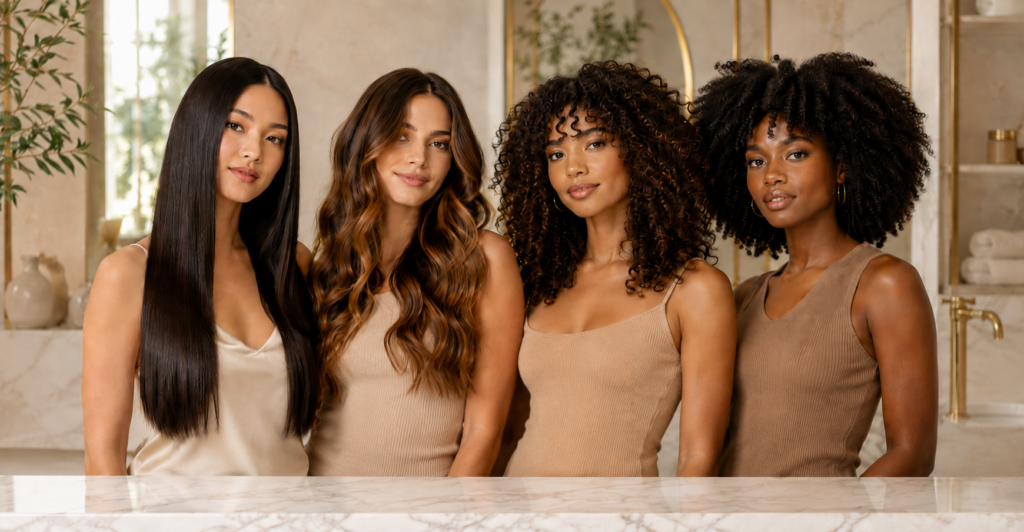
The core technique stays the same, scalp-focused massage and a thorough rinse, but the frequency, product, and pressure shift by hair type.
Fine or Thin Hair
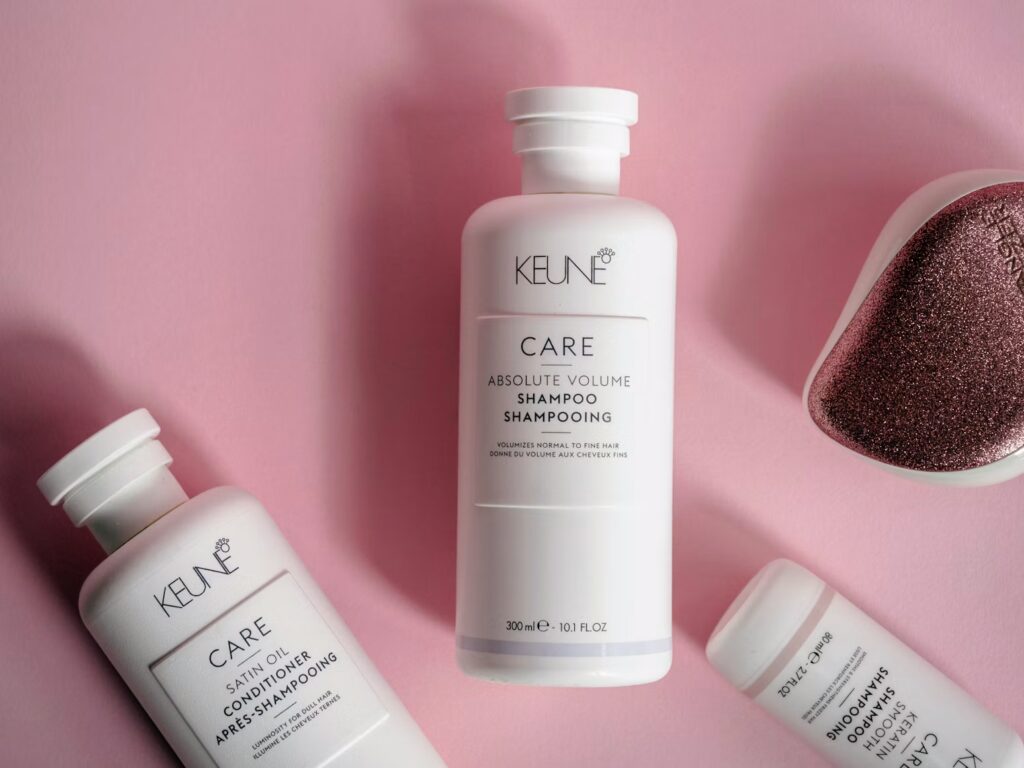
Fine and thin hair gets weighed down easily, so use a lightweight, volumizing shampoo and a small amount of it. Keep it on the scalp, skip heavy conditioner at the roots, and wash more often (every one to two days) since fine hair shows oil fast. A volumizing formula lifts the roots and gives the hair more body without coating the strands.
Thick or Long Hair
Thick and long hair needs more even distribution and patience. Section it if you have to, work the shampoo thoroughly through the scalp, and let the lather rinse down the lengths rather than scrubbing the ends. Long hair does well washed less often (every three to four days) with a richer conditioner on the bottom two-thirds to keep the ends from drying out.
Curly and Wavy Hair
Curly and wavy hair is drier by nature because oil struggles to travel down the bends of the strand, so wash it gently and less often, once or twice a week. Many curly and wavy folks do well with sulfate-free or “co-wash” approaches that clean without stripping. And yes, someone with straight hair can use a curly shampoo if it suits them, though it may feel heavier than they’re used to.
Coily and 4C Hair
For 4C and other tightly coiled textures, moisture is everything. Shampoo no more than once a week (sometimes every two weeks), use a sulfate-free, hydrating formula, and pre-detangle with conditioner or oil before washing to prevent breakage. Section the hair, focus the cleanser on the scalp, and follow with a deep conditioner every wash. The same gentle, low-frequency approach suits relaxed hair, which is already chemically processed and needs that moisture protection.
Color-Treated and Chemically Processed Hair
Dyed and bleached hair needs a sulfate-free, color-safe shampoo and cooler water to keep the color from fading and the strands from drying out. After a fresh color or highlights, wait at least 48 to 72 hours before your first wash so the dye can set. For permed hair, wait about 48 hours so the new curl pattern locks in, then use a gentle, sulfate-free formula to preserve it.
Keratin treatments and Brazilian blowouts are stricter: wait the full time your stylist gives (often around 72 hours), then use a sulfate-free, salt-free shampoo, because sulfates and sodium chloride strip the treatment out fast.
Hair Extensions and Weaves
With extensions, be gentle and skip sulfates and heavy oils near the bonds, which can loosen them. Clean carefully at the scalp, smooth (don’t scrub) the lengths, and never wring or pile extensions on top of your head. A weave gets washed the same way: dilute a gentle shampoo, focus on the scalp and the braids underneath, and dry thoroughly to prevent mildew.
Braided Hair
For braids and protective styles, mix a gentle shampoo with water in an applicator bottle, run it down the parts to reach the scalp, massage lightly without disturbing the braids, and rinse fully. Squeeze out the excess and let the braids dry completely so the scalp underneath stays healthy.
How To Shampoo Men’s Hair
Men’s hair follows the exact same fundamentals: wet thoroughly, massage a small amount into the scalp with the fingertips, leave it about a minute, and rinse well. Because it’s often shorter, it needs less product and rinses faster, but it shouldn’t be scrubbed harder. How often a man should wash depends on the same scalp-oil rule as everyone else, roughly every two to three days for most, daily only if the scalp is genuinely oily and a gentle formula is used. Guys with thinning hair or a sensitive scalp do best with a mild, sulfate-free shampoo and a light conditioner on the ends.
How Long To Wait To Shampoo After Coloring or Treatments
Timing matters more than people realize, because washing too soon can undo expensive salon work. General guidelines:
- After coloring or dyeing: wait 48 to 72 hours before the first wash.
- After highlights: the same 48 to 72 hour window.
- After a perm: at least 48 hours, so the curl sets.
- After henna: 24 to 48 hours, since it keeps developing after application.
- After a keratin treatment or Brazilian blowout: the full window your stylist gives (commonly 72 hours), then go sulfate- and salt-free.
- After a hair transplant: follow your surgeon’s exact instructions; gentle washing usually starts only after the first few days, with no rubbing or pressure on the grafts.
When in doubt, ask the person who did the service. These windows protect the result you paid for.
Choosing the Right Shampoo: What To Look For and Avoid
The healthiest shampoo is simply the one matched to your scalp and hair, but a few ingredients are worth being thoughtful about. Many people prefer to avoid harsh sulfates like sodium lauryl sulfate because they can be over-stripping, especially on dry, curly, or color-treated hair. Others choose to skip certain parabens, synthetic fragrance if they’re sensitive, and drying alcohols. A shampoo doesn’t need to be free of everything, but for fragile hair, gentler and sulfate-free is usually the safer bet.
A few quick matches by goal:
- Product buildup or a coated feeling: a clarifying shampoo, once or twice a month.
- Damaged or over-processed hair: a repairing or bond-building formula with proteins and moisturizers.
- Dry hair and scalp: a hydrating shampoo with glycerin, panthenol, or natural oils.
- Itchy or flaky scalp: a soothing or anti-dandruff shampoo; harsh fragrance and sulfates are common itch triggers, so fragrance-free can help.
- A scalp that needs a real clean: a balanced, scalp-focused cleanser rather than a heavy 2-in-1.
If smell matters to you, plenty of formulas are built to leave your hair smelling fresh all day, but don’t let scent override fit, one that smells amazing but dries you out isn’t the right one. During pregnancy, a gentle, fragrance-light formula is the safe default, and check with your doctor if a specific ingredient worries you.
It’s also fair to weigh brand values. If cruelty-free matters to you, look for shampoos certified as not tested on animals, since some conventional brands still do. That’s a personal call, but the certifications make it easy to check.
Common Shampoo Mistakes To Avoid
Even people who’ve washed their hair for decades make these:
- Using too much product. More shampoo doesn’t mean cleaner hair, just more rinsing and more dryness.
- Water that’s too hot. It roughens the cuticle and strips natural oils. Lukewarm is the sweet spot.
- Scrubbing with your nails. This irritates the scalp and causes flaking. Use the fingertip pads.
- Shampooing the ends directly. They’re the oldest, driest part of your hair. Let the suds rinse over them instead.
- Skipping the rinse. Under-rinsing leaves residue that dulls hair and itches.
- Conditioning the scalp. Keep conditioner on the lengths to avoid greasy roots.
Done right, shampoo won’t ruin or weaken your hair, that’s a myth. It doesn’t damage healthy hair or weigh it down when you use the right amount and rinse properly. What causes trouble is over-washing, harsh formulas, hot water, and rough handling, not the act of shampooing itself.
One more reassurance: seeing hair come out during a wash is normal. Losing 50 to 100 strands a day is typical, and wash days collect a few days’ worth at once, which is why it looks like more. That’s shedding, not damage.
Shampoo Problems and Reactions
Shampoo in your eyes.It stings because the pH and surfactants irritate the sensitive surface, not because it’s seriously harmful in small amounts. Rinse with cool water and it passes. To avoid it, tilt your head back, not forward, when rinsing so the suds run away from your face. Same goes for keeping it out of your nose, mouth, and ears, just direct the rinse backward.
Allergic reactions. Redness, itching, burning, a rash, or swelling on the scalp, hairline, or neck can mean you’re reacting to an ingredient, often fragrance or a preservative. Rinse it out completely, switch to a fragrance-free, gentle formula, and see a doctor if the reaction is severe or spreading. A patch test on your inner arm before trying something new can catch this early.
Itchy scalp after washing. This usually points to either residue from under-rinsing or an irritating ingredient. Rinse more thoroughly first; if it continues, move to a sulfate-free, fragrance-free, scalp-soothing shampoo.
Recalls, expiry, and storage. Shampoo does expire, roughly 1 to 3 years unopened and about a year once opened, so watch for separation, an off smell, or a color change and toss it if it seems off. Expired shampoo won’t hurt you, but it cleans poorly and the preservatives weaken. It can also freeze in cold-enough temperatures; let it thaw and shake it, and replace it if the texture stays grainy. If a shampoo is ever recalled, it’s almost always over contamination or an ingredient concern, so check the brand’s official notice and stop using that batch.
Shampoo and hair loss. This worries a lot of people, so let’s be clear: ordinary shampoo does not cause hair loss, and switching shampoos won’t regrow what’s already gone. A gentle, scalp-healthy shampoo supports a good environment for growth, and harsh over-washing of fragile hair can contribute to breakage, but shampoo isn’t the root cause of genuine thinning. If you’re losing noticeably more than usual, the cause is more likely hormonal, nutritional, stress-related, or genetic, and that’s worth a chat with a dermatologist rather than a new bottle.
FAQs
Does shampoo grow hair?
No shampoo magically grows hair, and claims that one grows it “the fastest” are marketing. A clean, healthy scalp is a better environment for the growth you’re genetically capable of, and ingredients like caffeine, rosemary, or biotin may support scalp health, but they don’t override genetics or treat real hair loss. Treat growth claims with healthy skepticism.
Can shampoo change my hair texture, color, or reverse grey?
Not permanently. Some shampoos temporarily smooth, soften, or add volume, and toning (purple or blue) shampoos can cancel brassiness, but none can change your natural texture or reverse grey at the follicle. Those are decided inside the hair, not on the surface.
Does shampoo detangle, soften, strengthen, or moisturize hair?
Shampoo’s main job is cleaning. Detangling, softening, and deep moisture are mostly the conditioner’s and mask’s job. Some shampoos include a little conditioning, but don’t expect a cleanser to do a conditioner’s work.
What can I use in place of shampoo if I run out?
Short-term, you can do a conditioner-only “co-wash,” a diluted apple cider vinegar rinse, or a quick refresh with dry shampoo at the roots. These are stopgaps, not permanent replacements for proper cleansing. (For a full breakdown of refreshing without washing, see our dry shampoo guide.)
What about flying and travel sizes?
For carry-on, shampoo counts as a liquid and must be in a container of 100 ml / 3.4 oz or less inside your quart-sized liquids bag. In checked luggage you can pack full-size bottles; just seal them well, since pressure changes cause leaks. Decanting into small travel bottles is the easiest fix.
How much should I tip the person who shampoos my hair?
If a separate assistant washes your hair, a few dollars (or part of a 10–20% tip split among those who helped) is a kind gesture, handed over directly or added to your stylist’s tip with a note that it’s shared.
Does a place like Great Clips shampoo your hair?
Many quick-service salons offer a wash as part of certain services or for a small add-on fee, but a basic cut may be done on dry or spritzed hair. It varies by location, so ask when you book.
How do I get a shampoo license?
It varies by region, but many areas offer a shampoo technician or assistant permit through a short cosmetology-board-approved course. Check your local board for the exact hours and exam.
How do I find my “shampoo soulmate”?
Cute phrase, real idea: your ideal shampoo is the one matched to your scalp type, hair texture, and any treatments you have. Start from those three things rather than from packaging or scent, and you’ll narrow it down fast.
The Bottom Line
Shampooing well isn’t complicated, it’s just specific. Wet thoroughly, use a little product, massage it into your scalp (not your ends), keep it on only as long as you need, and rinse until the water runs clear. Match your frequency and formula to your hair type, save the double-wash and clarifying for when buildup calls for it, and keep conditioner on your lengths. Do that consistently and you’ll get cleaner roots, healthier ends, and a scalp that actually behaves, no expensive products required.