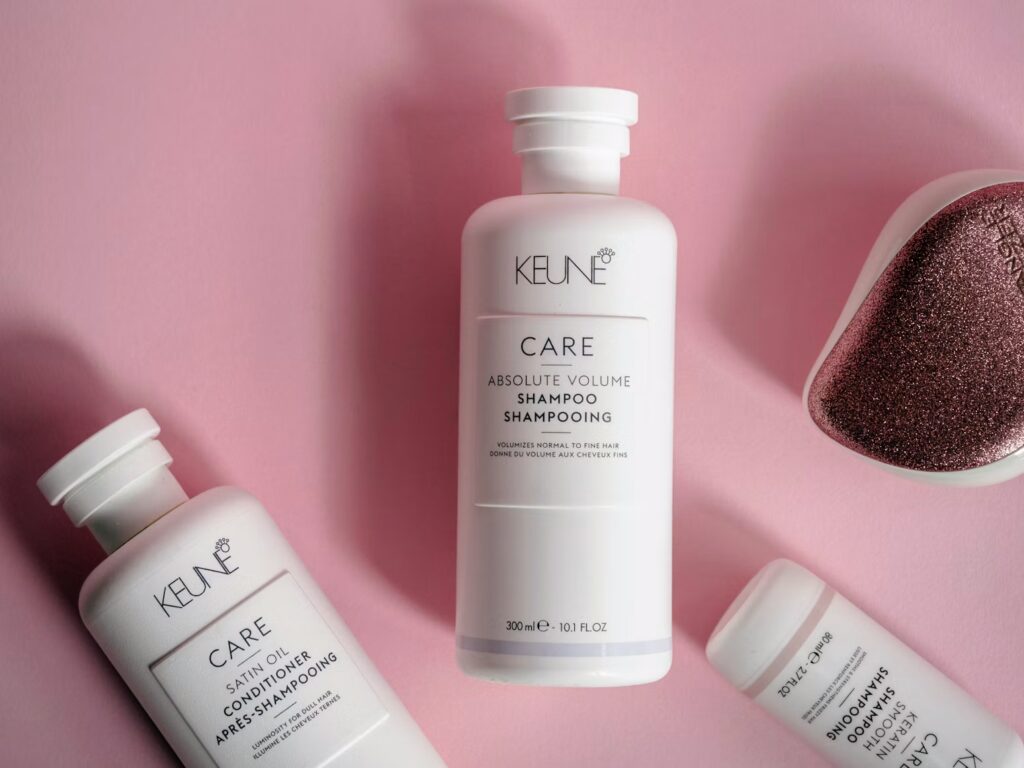

Flip a bottle of shampoo over and the ingredient list can read like a chemistry exam, a dense paragraph of names you cannot pronounce and have no way to judge. Most of those ingredients are perfectly fine and doing useful work. A handful are worth a closer look, either because they can be harsh on certain hair and scalps or because they have raised genuine safety questions that regulators are still working through. Learning to tell the difference is how you find the healthiest shampoo and conditioner for you, without falling for fear-based marketing that slaps a scary-sounding word on a label just to sell you the “free from” version.
This is a clear, honest rundown of what to watch for, why it matters, and how to read a label like someone who actually knows what they are looking at.
Ingredients Worth Watching
None of these are automatically dangerous for everyone, and that nuance is the whole point. The goal is to understand what each one does so you can decide whether it belongs in your routine, rather than blindly avoiding ingredients because the internet told you to.
Harsh sulfates, like sodium lauryl sulfate, are the detergents that make shampoo foam up satisfyingly. They clean very effectively, sometimes too effectively, stripping the natural oils that curly, dry, and color-treated hair desperately need. For those hair types, a gentler sulfate-free formula is a clear upgrade, while someone with a very oily scalp and resilient hair may not mind sulfates at all.
Drying alcohols cause a lot of confusion because the word “alcohol” appears on almost every label. The short-chain ones, such as isopropyl alcohol and alcohol denat, can leave hair brittle and parched. The fatty alcohols, like cetyl, stearyl, and cetearyl alcohol, are the opposite and actually condition and soften the hair. So the presence of “alcohol” alone tells you nothing. The type is what counts.
Certain parabens and some synthetic fragrance blends are common irritants for sensitive scalps. Fragrance is the bigger issue of the two, because the single word “fragrance” or “parfum” can legally conceal dozens of undisclosed ingredients, which makes it one of the most frequent triggers for itching, redness, and reactions. If your scalp flares easily, a fragrance-free formula is often the fix, a point we come back to when choosing the right pair for a reactive scalp.
Formaldehyde and formaldehyde-releasing preservatives are the ones to take most seriously of all, and they deserve their own section, because the regulatory picture around them has been shifting.
The Formaldehyde Question Is Still Unresolved
This is the part of the conversation that has genuinely changed in the last couple of years, so it is worth being precise rather than alarmist.
Formaldehyde is classified as a known carcinogen, and it, along with chemicals that release it when heated, turns up in some smoothing and straightening products such as certain keratin treatments, Brazilian blowouts, and chemical straighteners. The U.S. Food and Drug Administration first proposed banning formaldehyde and formaldehyde-releasing chemicals in hair-smoothing and straightening products back in 2023, after research linked exposure during these treatments to health concerns, with salon workers and frequent users most at risk.
Here is the crucial part. As of early 2026, that ban has still not taken effect. The FDA has pushed back its own deadline multiple times, most recently at the very end of December 2025, and the agency says the rule remains a priority but has not finalized it. In plain language, these ingredients are still legal and still on the market while the rulemaking drags on, which means the responsibility to check labels currently sits with you rather than with a regulator. If you are considering a smoothing service, ask your stylist exactly what is in the formula and how it is applied, since the heat is what releases the fumes. The same caution carries over to the at-home category, which we cover in our guide to keratin formulas.
What “Clean,” “Natural,” and “Healthy” Actually Mean
Here is what the marketing will never tell you. Words like clean, natural, non-toxic, and chemical-free are not regulated terms for cosmetics. A brand can print any of them on the front of a bottle without meeting a single official standard, which is why two products making identical “clean” claims can have wildly different ingredient lists.
That does not make those products bad. Plenty of them are excellent. It simply means the claim on the front of the bottle is not proof of anything, and the ingredient list on the back is where the truth lives. A genuinely “natural” formula can still irritate your scalp, since poison ivy is natural too, and a conventional, lab-made formula can be gentle, effective, and beautifully tolerated. Judge the actual formula, not the buzzword chosen by the marketing team.
How to Read a Label Like a Pro
You do not need a chemistry degree to shop smart, just a few reliable habits that do most of the work for you.
Start by scanning the first five ingredients, because those make up the bulk of any formula and tell you what you are really buying, while the long tail at the bottom is usually present in tiny amounts. Next, match the formula to your actual needs rather than to a trend, choosing sulfate-free if your hair is dry, curly, or color-treated, and fragrance-free if your scalp is reactive or you have known sensitivities. Finally, patch test anything new on a small area behind your ear or on your inner arm if you have a sensitive scalp or a history of reactions, because the single healthiest product for someone else can still be the wrong one for you. It is also worth knowing how long a bottle stays good once opened, which we cover in our piece on shelf life, since an old, degraded formula can irritate even when its ingredients were fine to begin with.
If you would rather control every ingredient yourself, our walkthrough on mixing your own explains what is realistic to make at home and what genuinely needs a lab.
For the current regulatory status of the smoothing-product ingredients in question, the FDA’s own page on hair smoothing products that release formaldehyde is the most authoritative source, and reporting such as CNN’s coverage of the repeatedly delayed ban explains exactly why the rule still is not in force despite years of pressure.